What i8hour covers
Your body already knows how to sleep. It just keeps getting overruled.
We write about the mechanisms — circadian rhythm, adenosine, cortisol, light exposure, temperature — in plain language. No supplements to sell, no morning routine dogma.
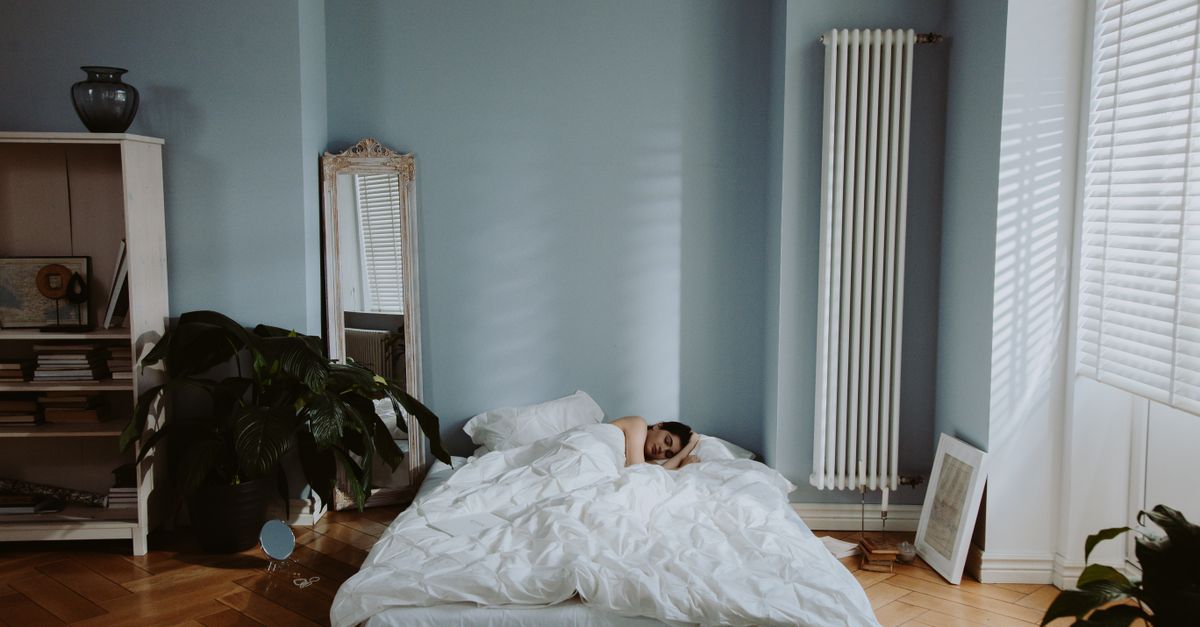
Why You Wake Up Tired Even After Eight Hours
It's usually not about duration. Sleep architecture — the sequence of light, deep, and REM cycles — is what determines how restored you feel at 7am.
Read this dispatch
The 8pm Light Problem: How Evening Screens Shift Your Internal Clock
Your suprachiasmatic nucleus reads light to set timing. Bright screens after sunset push melatonin onset later — and that shift compounds over days.
Read this dispatchAdenosine: The Molecule That Decides When You Need to Sleep
Sleep pressure isn't a feeling — it's chemistry. Adenosine builds up while you're awake, caffeine blocks its receptors, and the debt carries over when you don't clear it.
Read this dispatchof UK adults report waking unrefreshed most mornings
average delay in melatonin onset from evening screen exposure
complete sleep cycles per night for adequate restoration
typical time for circadian system to adapt to a new wake time
Things that actually need explaining
Browse by topic
Why You Wake Up Tired Even After Eight Hours
Sleep architecture, not duration, determines how rested you feel.
ReadThe 8pm Light Problem
Evening screens delay melatonin onset — and the shift compounds.
ReadAdenosine and Energy: The Sleep Pressure Molecule
Caffeine blocks adenosine, not creates energy. The debt stays.
Read